Acrylic Cube Pedestal Display Buying Guide

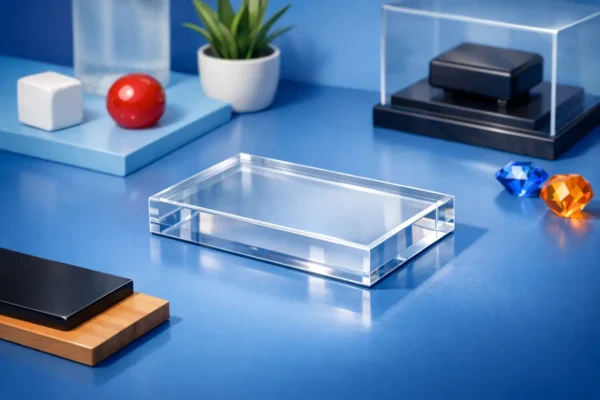
A display pedestal should make the object above it feel intentional, not compete for attention. A crystal-clear acrylic cube pedestal display creates height, definition, and a clean visual boundary around the item being presented. For a retail product, sculpture, collectible, award, or museum-quality artifact, that elevation can change how the viewer perceives its value.
Solid acrylic cubes are especially effective when the display needs structure without visual clutter. Their transparent form keeps the focus on the merchandise or artwork while adding the polish of a precisely fabricated presentation component.
Why Choose an Acrylic Cube Pedestal Display?
Acrylic offers a balance that many traditional pedestal materials cannot. It has the clean, light-transmitting appearance associated with glass, but it is more practical for many retail, event, and display environments. A solid acrylic cube provides a stable, substantial base while maintaining an unobtrusive profile from every viewing angle.
The effect is simple but powerful: the displayed item appears separated from the surface below it. That separation creates hierarchy. A small figurine becomes a featured collectible. A cosmetic bottle gains a premium counter presentation. A piece of art is given room to be viewed as an object rather than another item resting on a shelf.
For professional buyers, acrylic also supports consistency. Matching cubes in selected sizes can create a disciplined merchandising system across a product line, gallery case, trade show display, or awards presentation. For collectors and individual customers, the same clarity makes it easy to build a display that feels curated without introducing a bulky stand or colored base.
Start With the Item, Not the Pedestal
The correct cube size depends on the object being displayed, its weight, its footprint, and the viewing distance. Selecting a pedestal by appearance alone can lead to a base that feels undersized, too tall, or visually disconnected from the item.
Match the Top Surface to the Object Footprint
The top of the cube should support the item confidently without appearing crowded. For centered, compact objects such as small sculptures, fragrance bottles, sports memorabilia, or product samples, a top surface that extends beyond the object on all sides usually creates the most balanced result.
A very tight fit can work when the goal is a minimal footprint, but it leaves little visual margin and can make a display look accidental. At the other extreme, a wide cube beneath a small item may shift attention to the pedestal itself. The best proportion depends on the desired statement. A gallery display may use more breathing room, while a crowded retail fixture may prioritize efficient use of space.
Use Height to Create Priority
Cube height determines more than visibility. It tells the customer where to look first. Taller cubes are useful for creating focal points in window displays, product launches, exhibit cases, and tabletop presentations. Lower cubes work well when several items need to be viewed together without blocking one another.
When arranging multiple pieces, vary heights with purpose. A group of cubes in graduated sizes can establish a clear focal item and supporting products. Random height changes, however, can make even premium merchandise feel disorganized. Keep the display plan tied to a product hierarchy, collection story, or brand message.
Consider Weight and Center of Gravity
A solid acrylic cube is durable and well suited to many display applications, but every pedestal should be selected with the actual load in mind. Heavy objects, unusually tall pieces, or items with uneven weight distribution need a footprint and thickness appropriate to their center of gravity.
For example, a compact trophy may sit securely on a relatively small cube, while a tall sculpture with a narrow contact point may require a broader, heavier-looking base. If the displayed object can be touched by customers or guests, stability becomes even more important. A pedestal should look refined, but it also needs to perform reliably in the environment where it will be used.
Clarity, Finish, and Fabrication Make the Difference
Not all clear display materials produce the same result. Premium acrylic is valued for its high clarity, clean edges, and ability to complement both contemporary and traditional presentations. In a quality cube, the material should look intentional from the front, side, and top – not cloudy, rough, or visually distracting.
Edge finish has a meaningful impact on perceived quality. Polished edges catch light cleanly and help define the cube’s form without reducing its transparency. Precision fabrication also matters for consistent dimensions, square corners, and a level top surface. These details are especially visible in luxury retail, gallery, corporate, and awards settings, where a display base is part of the overall presentation standard.
Acrylic has another practical advantage: it does not introduce a competing color into the display. Clear cubes work alongside nearly any brand palette, product finish, wall treatment, or fixture material. They can sit comfortably beneath metallic awards, colorful product packaging, dark stone objects, white ceramics, or detailed artwork.
That neutrality has a trade-off. Clear acrylic reveals dust, fingerprints, and smudges more readily than opaque materials. For high-touch displays, establish a simple cleaning routine so the pedestal continues to look crystal clear. Use a clean, soft microfiber cloth and an acrylic-safe cleaner. Avoid abrasive pads, paper towels with a rough texture, or harsh chemical cleaners that may scratch or haze the surface.
Where Acrylic Cube Pedestals Perform Best
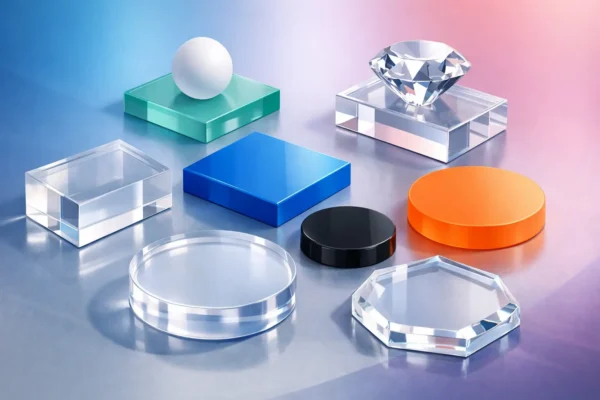
The versatility of an acrylic cube pedestal display comes from its ability to fit different presentation goals without changing the visual language of the space. In retail, cubes elevate featured products above surrounding inventory and help create tiers on shelves, counters, and in window displays. They are useful for cosmetics, accessories, electronics, specialty foods in sealed packaging, footwear details, and premium gift items.
In galleries and studios, clear cubes support sculpture, ceramics, small-format art, and design objects while preserving an open sightline. The material allows the piece to remain the visual center, which is particularly valuable when a room includes several materials, colors, or display methods.
Collectors often use acrylic cubes for model cars, sports memorabilia, action figures, crystals, designer toys, and limited-edition pieces. The cube adds elevation without the visual heaviness of a wood or metal stand. It also creates cleaner separation between objects in a cabinet, on a desk, or within a display case.
Event professionals and corporate buyers can use cube pedestals for branded activations, product reveals, recognition displays, and tabletop exhibits. When a standard cube needs to carry a company name, event mark, or award identification, custom printing and engraving can turn a functional base into a branded presentation element.
Build a More Effective Multi-Level Display
A single cube can spotlight one object. A coordinated set can guide a customer through an entire collection. The key is to use variation deliberately rather than treating every pedestal as a separate decision.
Begin with the hero item. Give it the most prominent height or largest footprint, depending on whether the display is viewed primarily at eye level or from above. Supporting items can sit on lower or narrower cubes, creating a natural progression around the main product. Leave enough open surface around each pedestal so the grouping does not become visually crowded.
For retail merchandising, consider the customer’s line of sight. A tall cube at the front of a shallow display may block products behind it. On a deep table or in a window, that same cube can create valuable vertical interest. In a gallery case, the best arrangement often preserves clear viewing angles from more than one side.
Consistency is what makes the system look professional. Select cubes with compatible material clarity and finish, then vary only the dimensions needed to support the display plan. This creates a presentation that looks designed rather than assembled over time.
When Customization Adds Value
Standard clear acrylic cubes are the right choice for many applications because they remain adaptable as product assortments and displays change. Customization is most valuable when the pedestal itself needs to communicate information or reinforce a brand.
Engraving can add a permanent, refined identification for an award, donor recognition piece, gallery label, commemorative object, or executive gift. Printed graphics can introduce a logo, product name, campaign artwork, or directional message for retail and event use. The most successful custom treatment is usually restrained. A clean mark placed where it supports the presentation will often feel more premium than a crowded graphic treatment.
Before ordering a customized piece, confirm the display orientation, graphic placement, and how the cube will be viewed. A logo intended for front-facing counter use may not read properly in a 360-degree exhibit. Planning these details early helps ensure the finished pedestal supports the object, the setting, and the brand at the same time.
A Clear Base for a Stronger Presentation
The best pedestal does not ask for attention. It gives the displayed item a more credible stage, creates useful height, and holds up to the demands of the environment. By selecting the right dimensions, finish, and level of customization, an acrylic cube can turn an ordinary surface into a focused, professional presentation.