Custom Printed Acrylic Display Block Uses

A product can be well made, collectible, or high value and still fall flat if the presentation looks generic. A custom printed acrylic display block solves that problem by combining clean structure with branded or descriptive graphics, so the display piece does more than hold an item – it helps frame how that item is perceived.
For retailers, collectors, artists, and event buyers, that difference matters. Solid acrylic has the visual restraint people want from a display material, but printing adds context, identity, and polish. When the block is fabricated with precision and printed with purpose, it becomes part of the presentation rather than an accessory that disappears into the background.
What a custom printed acrylic display block does well
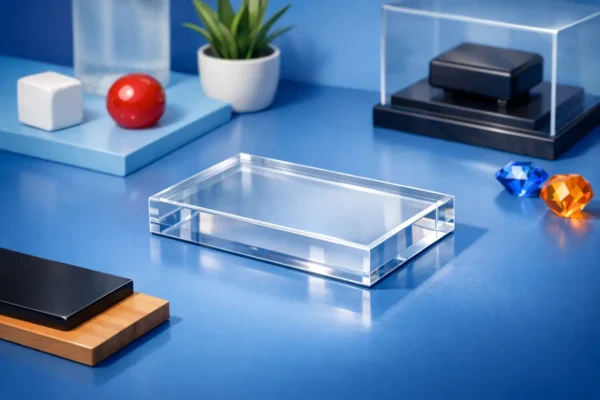
A standard acrylic block already offers a strong visual foundation. It elevates merchandise, supports featured objects, and keeps the focus on the item being displayed. Adding custom print expands its role. The block can carry a logo, product name, collection title, commemorative message, SKU reference, or campaign graphic without introducing a second sign holder or label card.
That matters in environments where space is limited and clarity is essential. In retail merchandising, a printed block can identify a featured product while maintaining a refined look. In a gallery or exhibit setting, it can present a title or artist information with far more permanence than a temporary placard. In awards and recognition applications, the print can turn a clear acrylic form into a finished presentation piece.
The strongest use cases are usually the simplest ones. A concise message, well placed on a crystal-clear block, often has more visual authority than a crowded design with too much text. Acrylic works best when the material and the message support each other.
Why solid acrylic remains a preferred display material
There are cheaper ways to label or elevate an object, but they rarely deliver the same level of finish. Solid acrylic is valued because it is durable, stable, and visually clean. It offers transparency without looking flimsy, and it provides enough weight to feel substantial on a retail counter, pedestal, shelf, or reception desk.
That material quality affects how the displayed item is perceived. Jewelry, beauty products, collectibles, fine packaging, awards, and printed materials all tend to look more premium when paired with a polished acrylic base or block. The clarity of the acrylic keeps attention on the object, while the solid form adds structure and order.
There is also a practical side. Acrylic resists everyday wear better than many temporary display materials, and it is easier to maintain a consistent branded look across multiple locations or events. For businesses ordering in volume, consistency is often just as important as appearance. A display program only works when every unit looks intentional.
Where a custom printed acrylic display block fits best
The versatility of a custom printed acrylic display block is one of its biggest advantages. It can function as signage, branding, elevation, and presentation all at once, which makes it useful across several categories.
In retail, printed blocks are often used to feature hero products, identify limited editions, or support branded table displays. Cosmetics, watches, fragrance, tech accessories, and packaged goods all benefit from a display that feels precise rather than improvised. The block can reinforce branding without adding clutter.
For collectors, the block offers a more finished way to present memorabilia, sports items, model pieces, or signed objects. Instead of placing an item on a plain shelf, the printed block can include the name of the piece, date, edition information, or a personal message. That added detail turns a display into a presentation.
Artists and galleries often need the opposite of retail flash. They want support materials that stay quiet but still look considered. In that setting, acrylic works well because it is visually unobtrusive, and the printed element can remain minimal. A title, series name, or identifying mark is often enough.
Event professionals and corporate buyers use printed blocks in a different way. They may need branded table pieces, sponsor recognition displays, podium accessories, or commemorative items that look polished under lighting and in photography. Acrylic performs well here because it has a clean profile and a durable surface, but sizing and print placement become more critical when the piece will be seen at a distance.
Printing choices change the final effect
Not every printed block should be approached the same way. The right design depends on viewing distance, lighting, use case, and how much information the display needs to communicate.
A small countertop block can support more detail because the viewer is standing close. A logo, short line of product information, or identification text can read clearly without overwhelming the piece. A larger display block used in a lobby or event environment may need bolder graphics and more restrained copy so the message stays legible.
Color also needs restraint. Full-color printing can be highly effective, especially for logos or campaign artwork, but too much saturation can compete with the object being displayed. In many applications, white, black, or a limited brand palette creates the strongest result. The acrylic should still feel like a premium display material, not just a clear panel with printing on it.
Placement matters just as much as graphic design. Front-face printing is direct and easy to read, while reverse printing can create a cleaner protected look depending on the construction and intended use. The best choice depends on the piece, the viewing angle, and whether the print is meant to act as identification or as a design feature.
Size, thickness, and proportion are not minor details
When buyers shop for acrylic displays, they often focus on footprint first. That makes sense, but proportion is what determines whether the final piece looks balanced. A block that is too small can make a premium item feel under-supported. A block that is too large can distract from the item or dominate the available display area.
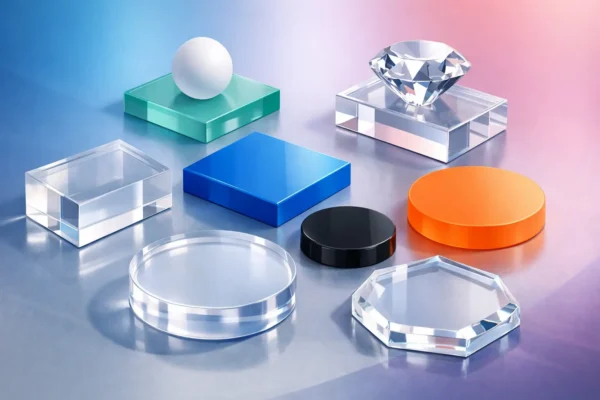
Thickness plays a similar role. A thicker acrylic display block generally reads as more substantial and architectural, which can be ideal for awards, premium branded displays, and high-end retail fixtures. Thinner profiles may work for lighter objects or applications where the display should remain especially understated.
There is always a trade-off. Heavier, thicker blocks bring presence and durability, but they also increase shipping weight and may be unnecessary for simple tabletop uses. The best result usually comes from matching the acrylic dimensions to the scale, weight, and visual importance of the item being displayed.
Why manufacturing quality matters more with custom work
Custom printing adds value only if the underlying acrylic piece is fabricated to the same standard. Edges need to be clean. Surfaces need to be clear. Dimensions need to be consistent, especially when multiple blocks are used in the same merchandising program or installation.
Any variation becomes more visible once branding or text is added. A printed display block is held to a higher visual standard because it is no longer just a support piece. It is a branded presentation component. That means polishing, squareness, clarity, and print alignment all matter.
For business buyers, domestic manufacturing can also make a practical difference. Lead times, repeatability, and communication tend to matter more on custom display projects than on off-the-shelf purchases. If a retail rollout, event install, or recognition program depends on consistent custom pieces, precision and reliability are part of the product, not an extra benefit.
Acrylic Bases and Blocks serves this market from that manufacturer perspective, focusing on solid acrylic display forms that are built for presentation quality rather than commodity use.
How to choose the right custom printed acrylic display block
The most effective way to specify a block is to start with the object or purpose, not the print. Ask what the block needs to do first. Does it elevate a product, identify a collectible, function as a branded desk piece, or serve as a finished award or presentation object? That answer shapes the correct dimensions, orientation, and graphic approach.
From there, consider the environment. A boutique retail shelf, trade show table, gallery pedestal, and office reception area all place different demands on visibility and durability. Lighting, distance, and surrounding materials affect how the acrylic and the print will read.
Then simplify. The strongest custom acrylic displays are usually built around one clear visual job. If the block needs to brand, identify, and support an item all at once, the design should still feel disciplined. Clean typography, intentional spacing, and accurate sizing usually outperform decoration.
A custom printed acrylic display block works best when it looks exact, feels substantial, and supports the presentation without competing for attention. When those details are handled well, the result is simple in the best way – it makes the item, brand, or message look more finished the moment someone sees it.