Choosing an Acrylic Trophy Display Base

A trophy can be beautifully designed and still fall short visually if the base feels generic, undersized, or unstable. The right acrylic trophy display base does more than support an award – it sharpens presentation, adds perceived value, and creates a cleaner, more professional finish for offices, events, retail displays, and recognition programs.
Solid acrylic has become a preferred material for modern display applications because it offers clarity, durability, and a polished architectural look without pulling attention away from the piece being presented. For trophy buyers, event planners, and businesses ordering recognition pieces at scale, that matters. The base should frame the award, not compete with it.
What an acrylic trophy display base needs to do
At a minimum, a base needs to provide support and visual balance. In practice, it also needs to match the scale of the trophy, complement the shape of the award, and maintain a premium appearance under bright lighting and close viewing. Acrylic performs well here because it presents as clean and precise, with crisp edges and a high-clarity finish that works across contemporary and traditional recognition formats.
That said, not every base works for every application. A compact award for a desktop recognition program has different requirements than a branded presentation piece intended for a lobby, gallery-style showcase, or donor wall. Weight distribution, footprint, thickness, and edge finish all affect the final result.
When an acrylic trophy display base is the right choice
An acrylic trophy display base is especially effective when the goal is a modern, unobtrusive presentation. Clear acrylic allows the eye to stay on the award itself while still adding visual lift and structure. This makes it a strong fit for corporate awards, commemorative pieces, sports recognition, retail trophy presentation, and custom branded displays.
It is also a practical option when consistency matters. For organizations ordering multiple awards, acrylic offers repeatable fabrication and a uniform appearance across a full set. That consistency becomes even more valuable when awards are displayed together in a case, on shelving, or across a staged event setup.
There are situations where other materials may be considered, particularly when a heavier traditional look is preferred. Wood and metal can bring a different visual character. But if the objective is clarity, precision, and a polished presentation that feels current, acrylic is often the stronger choice.
Size and proportion matter more than most buyers expect
The most common mistake in trophy presentation is choosing a base that is either too small for the piece or unnecessarily oversized. If the base is too narrow, the award can look top-heavy or insecure. If it is too large, the trophy may appear diminished or visually disconnected from its support.
Good proportion starts with the trophy’s height, width, and weight. A taller piece typically benefits from a wider footprint or thicker base to create balance. A low-profile award may need only a subtle lift, especially if the goal is a refined desktop presentation. For wider or asymmetrical trophies, the base should account for weight distribution rather than just overall dimensions.
Thickness matters as well. A thicker acrylic base communicates substance and permanence, which is often desirable for executive awards or premium recognition programs. Thinner profiles can work for lighter pieces, but they tend to feel less substantial in high-visibility settings.
Matching the base to the award style
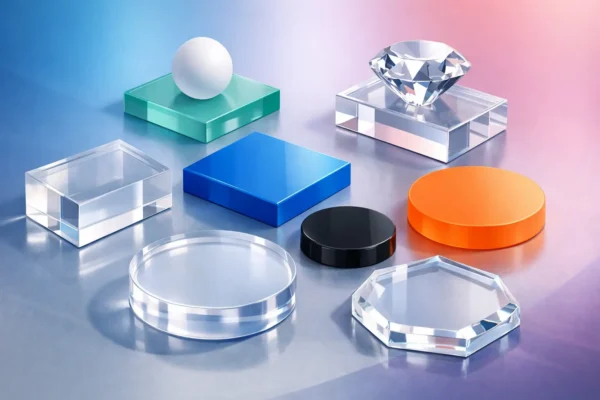
A round award often looks best on a round base or a square base with enough margin to create intentional framing. Rectangular and geometric trophies usually pair well with rectangular blocks or bases that echo their lines. Abstract or sculptural pieces require more judgment. In those cases, the base should stabilize the form and create visual order without forcing symmetry where it does not belong.
This is one area where precision fabrication makes a noticeable difference. Clean cuts, polished surfaces, and accurate dimensions help the award look finished rather than assembled from mixed parts.
Clarity, polish, and edge quality are not small details
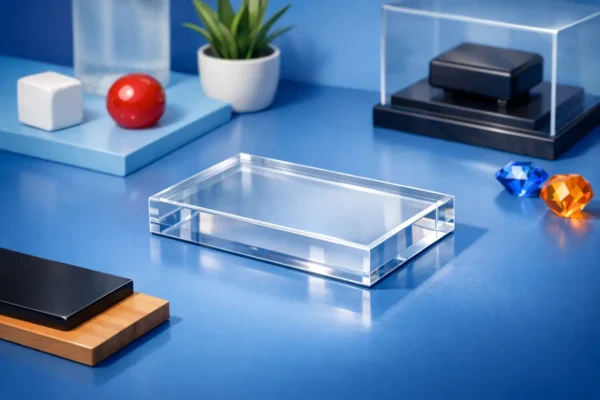
Buyers often focus first on dimensions, but optical quality has a major effect on how premium the finished piece appears. A high-quality acrylic base should look crystal clear, not cloudy or tinted in a way that distracts from the award. It should also have smooth, polished edges that reflect light cleanly.
Those details are especially important in awards and recognition settings because trophies are meant to be examined up close. Scratches, dull edges, or inconsistent finishing can make even an impressive award feel less valuable. In retail and event environments, lighting exaggerates these issues.
A professionally fabricated acrylic base solves that problem by delivering visual consistency. The clarity of the material, the accuracy of the cut, and the quality of the finish all work together to support a stronger presentation.
Customization can turn a base into part of the award
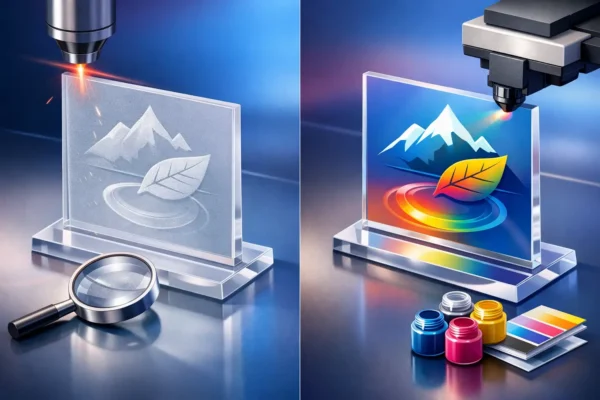
For many buyers, the base is not just structural. It is part of the message. Custom engraving or printing can add names, dates, logos, event titles, or sponsor branding directly to the base, creating a more integrated recognition piece.
This is particularly useful for corporate awards, milestone recognitions, tournament trophies, and branded event presentations. Instead of attaching a separate plate or relying on mixed materials, the information becomes part of the acrylic design itself. The result is cleaner and more cohesive.
Customization also helps when the same trophy format is used across multiple recipients or departments. A standardized acrylic base with individualized personalization creates consistency without making every award look identical. For organizations managing recurring recognition programs, that balance is valuable.
Standard vs. custom formats
Standard base sizes are often the fastest and most efficient choice when the trophy dimensions fall within common display ranges. They simplify purchasing and make reordering easier. Custom fabrication becomes the better option when the award has unusual proportions, requires a specific footprint, or needs branded presentation features built into the base.
Neither option is universally better. It depends on the application, timeline, and how much the final presentation needs to do beyond simple support.
Where acrylic bases perform best
The versatility of acrylic is one reason it remains a strong material for display-focused products. In corporate environments, it suits conference room shelves, executive offices, reception areas, and award cases. In event settings, it helps recognition pieces read clearly on stage, at registration tables, and in photography.
Collectors and galleries also use acrylic bases because they provide elevation without visual clutter. The same qualities that make acrylic effective for trophies apply to art objects, signed memorabilia, commemorative items, and presentation pieces. The base adds order and structure while keeping attention on the object itself.
For retail buyers and visual merchandisers, acrylic also supports a broader presentation strategy. If awards or branded objects are displayed alongside merchandise, signage, or collectibles, acrylic bases coordinate well with other clear display components such as risers, cubes, and blocks.
What to look for before you buy
The most reliable buying decisions usually come down to a few practical checks. First, confirm the actual dimensions of the trophy, including any areas where weight is concentrated. Second, consider where the piece will be displayed. A base that works in a private office may not be substantial enough for a high-traffic public setting.
Third, look closely at fabrication quality. Precision matters. Clean edges, consistent thickness, and high-clarity material signal a better finished product and a more professional presentation. If personalization is needed, make sure the base is designed to accommodate printing or engraving in a way that feels intentional rather than added as an afterthought.
Finally, think beyond the single award. If you may need matching pieces later, consistency in manufacturing becomes a real advantage. Acrylic Bases and Blocks serves buyers who need that kind of dependable repeatability, whether they are sourcing one premium display piece or a full run of presentation components.
Why the base changes the way the award is perceived
Presentation affects value. The same trophy can look more prestigious, more stable, and more thoughtfully designed when it is paired with the right base. That is not just aesthetics. It shapes how recipients, guests, customers, and decision-makers interpret the quality of the award itself.
A well-made acrylic trophy display base brings discipline to the presentation. It creates a visual foundation, supports the object with confidence, and contributes to a cleaner overall impression. For brands, institutions, and organizations that care about how recognition is seen, that is not an accessory decision. It is part of the finished product.
If the goal is a trophy display that looks precise, durable, and professionally resolved, start with the base as early as you start with the award.