How Solid Acrylic Display Blocks Add Impact

A product can be well made, carefully chosen, and genuinely valuable – then still fall flat if the presentation feels improvised. Solid acrylic display blocks solve that problem by giving merchandise, collectibles, artwork, and recognition pieces a clean, elevated foundation that looks intentional from every angle.
For buyers who care about visual impact, the appeal is straightforward. A solid block creates height, separation, and focus without introducing visual clutter. It supports the item while staying visually quiet, which is exactly what you want when the object on display should carry the attention.
Why solid acrylic display blocks work so well
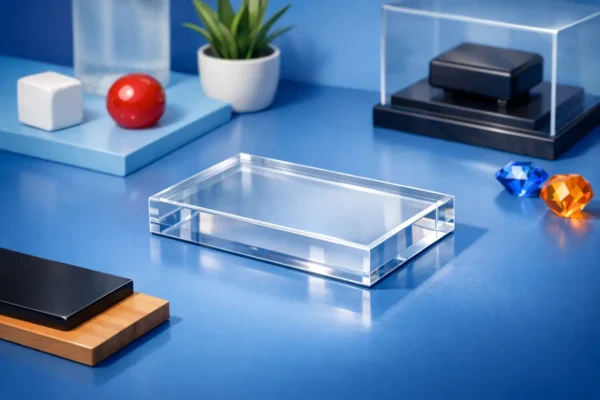
The strength of solid acrylic display blocks is not just their appearance. It is the combination of optical clarity, structural stability, and precision fabrication. When a block is made well, it reads as polished and professional rather than decorative or disposable.
That distinction matters in commercial settings. In retail merchandising, a display base has to do more than lift a product off the shelf. It needs to help define product hierarchy, improve sightlines, and reinforce a premium presentation. In galleries or collector displays, the same principle applies. The support should sharpen the presentation, not compete with it.
Solid acrylic also has practical advantages over lighter, hollow, or less refined alternatives. It carries visual weight, which helps a display feel substantial. It offers dependable support for a wide range of items. And because the material remains clear and clean-looking, it works across product categories without forcing a specific style.
Where solid acrylic display blocks make the biggest difference
The most effective display components are versatile, and this is where solid acrylic blocks stand out. They fit naturally into retail environments, trade show booths, art presentations, corporate settings, and personal collections because the form is simple and the finish is professional.
In retail, blocks help create elevation changes that break up flat fixture space. A jewelry display, skincare presentation, or luxury accessory assortment gains more visual rhythm when items are placed at multiple heights. Even small changes in elevation can make products easier to notice and compare.
For collectors, a solid block adds order and intention. Sports memorabilia, minerals, small sculptures, signed objects, and limited-edition pieces often benefit from being physically separated from the shelf or case surface. That extra lift makes the item look framed within the space rather than stored in it.
In event and corporate environments, these blocks are especially effective for branded presentations, awards, and recognition pieces. Clear acrylic complements engraved or printed elements without overwhelming them. The result is formal enough for executive settings but modern enough for contemporary branding.
Artists and gallery operators value them for a different reason. The support needs to disappear visually while still offering dependable stability. Clear solid acrylic does that well, especially when the goal is to preserve attention on the work itself.
Choosing the right size and format
Acrylic display blocks are simple in concept, but choosing the right one depends on what you are displaying and how the viewer will encounter it. Size, thickness, shape, and orientation all affect the final presentation.
The first consideration is proportion. If the block is too small, the display looks underbuilt and can feel unstable. If it is too large, it starts to compete with the item. The right balance usually leaves enough visible acrylic to create presence, while keeping the displayed object as the clear focal point.
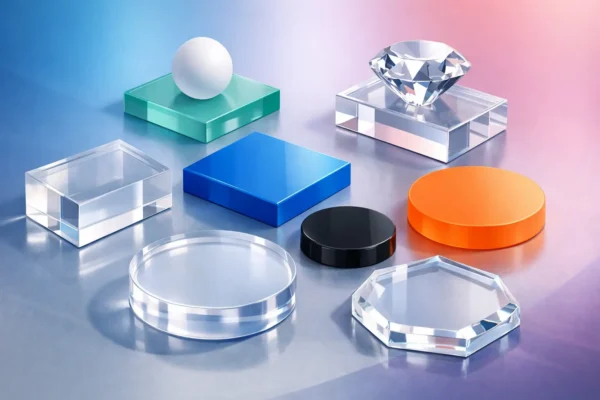
Thickness changes the visual character more than many buyers expect. A thinner block can look sleek and minimal. A thicker solid block feels more architectural and premium. For luxury retail, awards, and gallery presentation, that extra mass often adds value because it makes the support look deliberate rather than incidental.
Shape matters too. Rectangular blocks are often the most versatile choice because they align cleanly with packaging, framed pieces, and product assortments. Cubes create a more sculptural effect and work well when the display item is compact and centered. Round forms can soften the look and are often useful when the object has circular or organic lines.
There is also the question of single-item display versus multi-level merchandising. One block may be enough for a featured object. For assortments, combining different heights creates dimension and improves visual pacing. That approach works especially well in store windows, countertop displays, and exhibit cases.
What quality looks like in solid acrylic display blocks
Not all acrylic display products deliver the same result. For presentation-focused applications, quality shows up in the details.
Clarity is the first signal. A premium block should have a crystal-clear look that supports visibility rather than dulling it. Cloudiness, distortion, or inconsistent finishing can make even a strong product presentation feel lower end.
Edges and surfaces matter just as much. Precision-finished edges create sharp definition and help the block catch light cleanly. Smooth polished surfaces make maintenance easier and contribute to the refined appearance most buyers are after. If the block will be used in a customer-facing setting, these details are not minor. They directly affect how professional the finished display looks.
Material integrity is another practical factor. Solid acrylic needs to hold up under regular handling, repeated merchandising resets, event use, and transport. Buyers sourcing for stores, museums, corporate environments, or frequent installations should think beyond appearance and consider long-term durability.
This is also where domestic manufacturing can be a real advantage. Consistency, quality control, and dimensional accuracy matter when you are ordering display components that need to perform reliably across multiple uses or multiple locations. Acrylic Bases and Blocks focuses on this category with a product line built around presentation quality and precision-fabricated solid acrylic forms made in the USA.
When customization adds value
Standard display blocks cover many common applications, but there are cases where customization makes the presentation much stronger. This is especially true for branded environments, awards programs, promotional displays, and formal recognition pieces.
Printing and engraving can turn a clear block from a support element into part of the communication. A logo, product name, event title, or recognition message creates a more complete presentation without requiring a separate sign holder or plaque. That can simplify the setup while improving the overall finish.
Customization is also useful when dimensions need to match a specific item. Some objects have unusual proportions, weight distribution, or footprint requirements. A standard block may be close, but not exact. In those cases, tailored sizing helps achieve better support and a more balanced visual result.
Still, custom is not always necessary. If the goal is flexible merchandising or rotating inventory display, standard sizes often make more sense. They are easier to reuse across different products and usually simplify replenishment. The right choice depends on whether the display is permanent, branded, or frequently changing.
Common buying mistakes to avoid
Most display problems are not caused by the material itself. They come from choosing the wrong scale, finish level, or application.
One common mistake is treating all clear display pieces as interchangeable. Lightweight acrylic risers, hollow forms, and solid blocks each serve different purposes. If you need a display with more visual weight and a more premium feel, solid acrylic is usually the better fit.
Another mistake is selecting based only on footprint and ignoring height. Height is what creates emphasis. A block that fits the object physically but does not provide enough elevation may not improve the presentation much at all.
Buyers also sometimes overlook the viewing environment. A display used in a bright retail setting, a gallery pedestal, or a trade show booth needs to read clearly under different lighting conditions and from multiple angles. High-clarity, well-finished acrylic performs better in those situations because it reflects light cleanly without looking busy.
Finally, think about maintenance. Acrylic presents beautifully, but it should be handled and cleaned properly to preserve its finish. In active retail or event environments, choosing quality fabrication from the start helps the display maintain its appearance over time.
Solid acrylic display blocks as a presentation standard
The best display components do not need to announce themselves. They simply make everything placed on them look more considered, more valuable, and more professionally presented. That is why solid acrylic display blocks remain such an effective choice across retail, art, recognition, and collecting applications.
If your goal is to elevate presentation without adding distraction, clear solid acrylic is one of the most reliable ways to do it. The right block does more than support an object – it gives it presence.