Clear Acrylic Display Cubes That Elevate

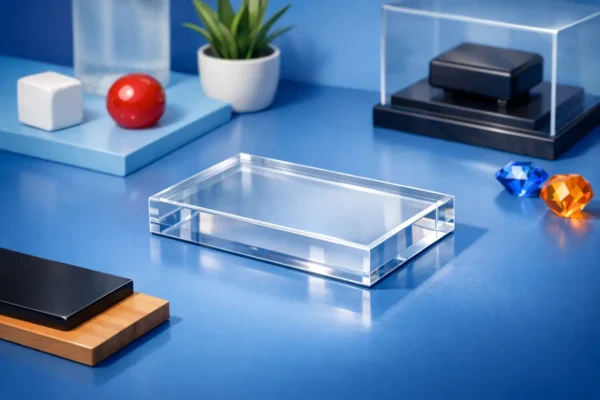
A small change in elevation can completely change how a product, collectible, or award is perceived. Clear acrylic display cubes do exactly that. They lift important pieces into view, create separation between items, and add visual structure without competing for attention.
That matters in real-world display environments. In retail, height helps direct the eye and turns a flat tabletop into a more intentional presentation. In galleries, events, and corporate settings, a clear cube can support the object while keeping the focus on the object itself. For collectors, it adds order and a cleaner visual hierarchy. The result is simple but effective – better visibility, stronger presentation, and a more polished final display.
Why clear acrylic display cubes work so well
The strength of clear acrylic display cubes is their visual restraint. They create height and form, but they do not introduce the heaviness of wood, the glare of metal, or the fragility of glass. When fabricated with high clarity and polished edges, acrylic has a clean, professional appearance that supports premium presentation across many categories.
That clarity is only part of the value. Solid acrylic cubes also provide dependable structure. A display element should not just look refined. It should feel stable under merchandise, art objects, branded products, awards, or small sculpture. When a cube is precision-made, the edges are consistent, the surfaces are smooth, and the dimensions are reliable enough to build a display plan around.
There is also a practical advantage to transparency. Because the material visually recedes, it works in stores, museums, trade show booths, corporate lobbies, and home collections without forcing a redesign. A cube can fit into a minimalist display just as easily as a layered retail presentation.
Choosing the right clear acrylic display cubes
The right cube depends on what you are displaying, how much visual emphasis you want, and the environment where it will be used. Size is the first consideration. A cube that is too small can feel incidental, while one that is too large may overpower the item on top of it. The best proportion usually gives the displayed object enough lift to stand apart while still feeling balanced.
Thickness and fabrication quality also matter. For lightweight items, many display materials can appear acceptable at first glance. For premium merchandising or professional presentation, however, the finish becomes more noticeable. Clean polishing, strong edge quality, and clear material all contribute to a sharper result. If the cube is part of a high-visibility environment, these details are not minor.
Weight capacity is another factor buyers sometimes underestimate. Acrylic is durable, but the cube still needs to match the application. A small collectible, a crystal award, and a retail product sample place very different demands on the display. If the object is heavy or has an uneven base, a more substantial acrylic form is usually the better choice.
Then there is spacing. A single cube can act as a focal point, but multiple cubes are often used to create tiers and rhythm across a display. In that case, dimensional consistency becomes critical. If one piece is slightly off, the entire presentation can look improvised rather than intentional.
Best uses across retail, art, awards, and collecting
Retail buyers often use clear acrylic display cubes to break up a flat fixture and create merchandise hierarchy. A featured product placed on a raised cube gets immediate visual priority. That can be useful for cosmetics, jewelry, packaged goods, accessories, and limited-run items where perceived value is tied to presentation.
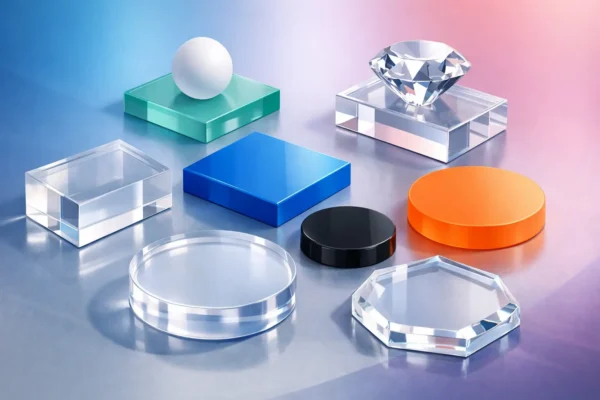
In art and gallery settings, cubes serve a different function. They support the work without introducing visual noise. That is especially useful for small sculpture, crafted objects, and edition pieces that benefit from elevation but should not compete with a decorative pedestal. Clear acrylic offers a refined, low-profile solution.
For awards and recognition, the appeal is precision. A clear cube can serve as a base, a standalone presentation piece, or part of a larger customized format with printing or engraving. In these applications, buyers are usually looking for a material that feels premium, photographs well, and reflects the professionalism of the organization presenting it.
Collectors tend to value order, visibility, and consistency. Whether displaying sports memorabilia, mineral specimens, designer toys, model pieces, or signed items, a cube helps isolate individual objects and improve viewing angles. That cleaner separation can make a personal display feel more curated and less crowded.
What separates premium acrylic from commodity options
Not all acrylic display products perform the same way. Commodity pieces may look acceptable in a product photo, but the difference becomes obvious in person. Lower-quality acrylic can appear dull, carry distortions, show inconsistent edges, or feel less substantial than expected.
Premium fabrication produces a different result. The material should be clear, the edges should be polished, and the overall cube should feel exact. That level of precision matters because display products are judged visually. Even when they are designed to stay in the background, flaws become part of the presentation.
Made in USA manufacturing is also relevant for many professional buyers. It typically supports better quality control, more reliable dimensional consistency, and stronger confidence in repeat orders. For visual merchandisers, event teams, and business buyers working against deadlines, dependable production is not just a preference. It affects planning, installation, and final presentation.
At Acrylic Bases and Blocks, that manufacturing focus is part of the product value. Buyers are not simply sourcing a generic riser. They are selecting a fabricated display component designed to improve how an item is seen.
When customization makes sense
Standard cubes handle many display needs effectively, but there are cases where customization adds real value. Branded events, corporate gifting, product launches, awards programs, and retail promotions often require more than a clear support form. Printing or engraving can turn the cube itself into part of the presentation.
That does not mean every display should be customized. If the goal is purely visual lift for merchandise or artwork, a clean unbranded cube may be the stronger choice. Customization makes the most sense when the display element also needs to communicate identity, commemorate an occasion, or support a marketing message.
There is a trade-off here. The more branded the piece becomes, the less universally reusable it may be later. For one-time events or campaign-specific displays, that is usually acceptable. For long-term fixtures, many buyers prefer a neutral format that can move between products and settings.
Common buying mistakes to avoid
The most common mistake is choosing by footprint alone. Buyers often measure the object’s base and stop there. But display success also depends on height, surrounding space, and sightlines. A correctly sized top surface may still look wrong if the cube is too short to create visual separation.
Another mistake is treating all clear materials as equal. Acrylic quality, polish, and fabrication standards have a direct effect on the finished look. In premium retail or professional presentation, that difference is visible immediately.
It is also easy to overlook the full environment. A cube used under bright store lighting, in a trade show booth, or inside a glass case may behave differently than one used in a home collection. Reflections, cleaning frequency, traffic, and handling all affect which display format makes the most sense.
Finally, some buyers overcomplicate the setup. Not every display needs multiple levels and mixed shapes. Often, a few well-proportioned clear acrylic display cubes create a cleaner and more effective presentation than a larger assortment of mismatched risers and props.
A better display starts with better structure
Presentation quality rarely comes from decoration alone. More often, it comes from proportion, clarity, and control. Clear acrylic display cubes provide that structure in a format that is durable, visually unobtrusive, and adaptable across retail, art, awards, and collecting.
If the goal is to make the displayed item look more important, more visible, and more professionally presented, a well-made acrylic cube is one of the most efficient tools you can add. The right piece does not call attention to itself. It makes everything placed on it look better.