How to Use Acrylic Risers in Retail Displays

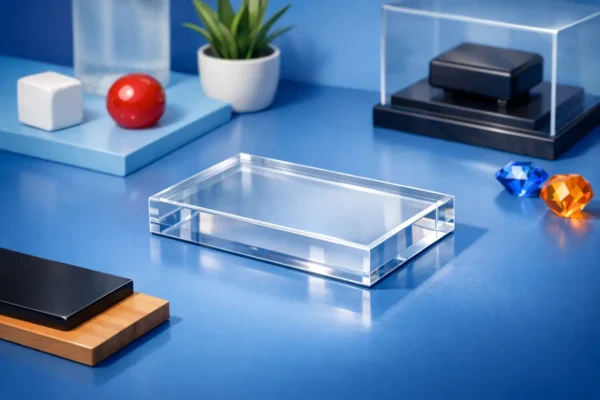
A flat retail display asks every product to compete at the same visual level. Acrylic risers solve that problem without adding bulky fixtures or distracting color. Knowing how to use acrylic risers in retail helps buyers create product hierarchy, improve sightlines, and give featured merchandise the polished presentation it deserves.
Solid, crystal-clear acrylic keeps attention on the item being displayed. Whether the product is jewelry, cosmetics, collectibles, footwear, packaged goods, or a limited-edition release, a well-chosen riser adds height and structure while maintaining a clean, professional appearance.
Use Acrylic Risers in Retail to Create Hierarchy
Customers tend to notice height before they notice detail. A riser gives key merchandise an immediate visual advantage, separating it from surrounding inventory and making the display easier to scan from several feet away. The goal is not to elevate everything. The goal is to make the right products easier to see.
Start by identifying the primary item in each display. This might be a new arrival, a higher-margin product, a seasonal colorway, or a product that needs explanation at close range. Position that item on the highest riser, then place supporting products on lower levels or directly on the display surface. This creates a natural focal point without relying on oversized signage.
For a small countertop arrangement, two or three levels are usually enough. A tall central riser paired with lower rectangular blocks can create a controlled pyramid effect. In a larger display, staggered cubes and rectangular risers let you build depth from front to back, so products remain visible instead of disappearing behind one another.
The best height depends on the merchandise. Delicate jewelry and small fragrance bottles often need modest elevation so customers can inspect them easily. Larger boxed products, handbags, or sculpture may benefit from taller bases that create stronger separation. Keep the riser proportional to the object. A base that is too small can look unstable, while one that is too tall can make the item feel disconnected from the rest of the display.
Select the Right Acrylic Riser Format
Acrylic risers are not one-size-fits-all display components. Shape, footprint, thickness, and edge finish all affect how the fixture performs in a retail setting.
Rectangular risers are a reliable choice for folded apparel, boxed merchandise, cosmetics, and grouped product assortments. Their straight lines work well with shelving, tables, and wall displays, allowing buyers to create orderly rows or stepped arrangements. Square cubes are especially useful when products need individual elevation, such as collectibles, handbags, small electronics, or premium gift items.
Round acrylic bases soften a display built around bottles, candles, art objects, or other products with curved silhouettes. They can create a more intentional presentation than placing a circular item on a square shelf, particularly when the display has a boutique, gallery, or specialty retail character.
Thickness matters as much as shape. Thin acrylic can provide subtle separation for lightweight merchandise, while thicker solid acrylic blocks offer a more substantial visual presence and dependable support for heavier products. Premium products often benefit from thicker, crystal-clear material because the display fixture reinforces the perceived quality of the merchandise.
Before selecting dimensions, measure the product footprint and allow enough margin around its edges. A riser should look intentional, not undersized. For most items, a visible border of acrylic around the product gives the display a finished appearance while preserving stability.
Match the Base to the Product Weight
Retail fixtures must perform under real conditions, not just look good in a product photo. Consider the weight of the item, how often customers will handle it, and whether staff will move the display during replenishment. A substantial solid acrylic base is the better choice for heavier merchandise, trophies, art pieces, or products displayed in high-traffic areas.
If customers are expected to pick up and replace products frequently, choose a broad, stable footprint and avoid narrow, tall configurations. A display that shifts or tips creates a poor customer experience and increases the chance of product damage. Clear acrylic provides an unobtrusive look, but its supporting role should still be engineered carefully.
Build Depth Without Creating Clutter
Acrylic risers are most effective when they make a display feel organized rather than crowded. Begin with one focal product, add a supporting group, and leave deliberate negative space between items. The transparent material allows merchandise to remain visible through the fixture, but too many overlapping levels can still make the arrangement difficult to read.
On a retail table, place taller risers toward the back and lower platforms near the front. This preserves sightlines from the customer side while creating depth for shoppers approaching from an aisle. On a shelf, use a modest height increase to bring smaller products closer to eye level. The correct arrangement depends on where customers stand and how they approach the display.
Group related products by collection, color, use case, or price tier. A single elevated item can introduce a collection, while lower adjacent products offer variations. For example, a skincare display might place a hero serum on a taller acrylic block, with complementary cleansers and moisturizers arranged below. The riser establishes priority without requiring a complicated fixture system.
Avoid treating every item as a feature. When every product sits on a riser, the display loses its hierarchy and can look busy. Reserve elevation for products that need attention, then let the remaining inventory provide context and selection.
Use Clear Acrylic to Support Brand Presentation
Clear acrylic is a strong fit for retail because it complements many store environments without competing with brand colors, packaging, or signage. It works especially well when packaging is visually distinctive, when merchandise has a premium finish, or when the retailer wants a clean gallery-style presentation.
For branded events, product launches, and permanent retail installations, acrylic can also become part of the presentation system. Custom printing or engraving can add a logo, product name, award category, or campaign detail directly to an acrylic base. This is useful when a display needs identification but traditional signs would interrupt the visual flow.
Customization should remain purposeful. A lightly engraved logo or precise printed graphic can reinforce a premium display. Too much text, oversized branding, or busy artwork can reduce the clarity that makes acrylic effective in the first place. The product should remain the first thing customers see.
Acrylic Bases and Blocks produces precision-fabricated, Made in USA display components that suit both standardized merchandising programs and presentation-focused custom applications. For retail buyers, consistent dimensions and material quality make it easier to repeat a successful display concept across multiple locations.
Place Risers Where They Improve the Customer View
The placement of a riser should respond to the customer journey. On a countertop near checkout, use elevation to draw attention to small add-on items, giftable products, or limited releases. In a window display, taller acrylic platforms can lift merchandise into clearer view from outside while allowing light to pass through the fixture.
On wall shelving, risers can bring smaller products forward and prevent them from getting visually lost beneath larger packaging. In a display case, they create museum-style separation that helps customers view collectibles, jewelry, awards, and art objects from multiple angles.
Lighting changes the result. Clear acrylic reflects and refracts light along its polished edges, which can add definition to a display. Under direct spotlights, test placement before finalizing the arrangement. The effect can be elegant, but strong glare may obscure small labels or reflective packaging. A slight adjustment in angle or distance from the light often resolves the issue.
Maintain Acrylic for a Consistent Premium Finish
Acrylic display components should be kept clean because fingerprints, dust, and residue are more visible on a crystal-clear surface than on opaque fixtures. Use a soft microfiber cloth and a cleaner formulated for acrylic or a mild soap-and-water solution. Avoid abrasive pads, paper towels, and harsh chemical cleaners that may scratch or haze the surface.
Retail teams should include acrylic cleaning in regular visual merchandising maintenance, especially on counters and display cases where customers are close to the product. Check risers during replenishment for smudges, shifted merchandise, and scratches that may affect the presentation.
When storing risers between campaigns, protect each piece from rubbing against other hard surfaces. A carefully maintained solid acrylic riser can support many display resets, seasonal changes, and product launches while continuing to look precise and professional.
A well-planned riser does more than add height. It gives merchandise space, direction, and a stronger presence at the moment a customer decides where to look next.