Acrylic Display Cubes That Put Products First

A well-chosen display cube does more than raise an item off a shelf. It creates separation, establishes hierarchy, and gives the product or object room to be seen. Acrylic display cubes are a refined choice when the display itself should look clean, precise, and visually unobtrusive while still providing dependable support.
For retailers, galleries, collectors, event teams, and awards buyers, the right cube can make a compact product presentation feel intentional rather than crowded. The key is selecting a format that suits the object, the viewing distance, the environment, and the level of finish the presentation demands.
Why Acrylic Display Cubes Create Stronger Presentations
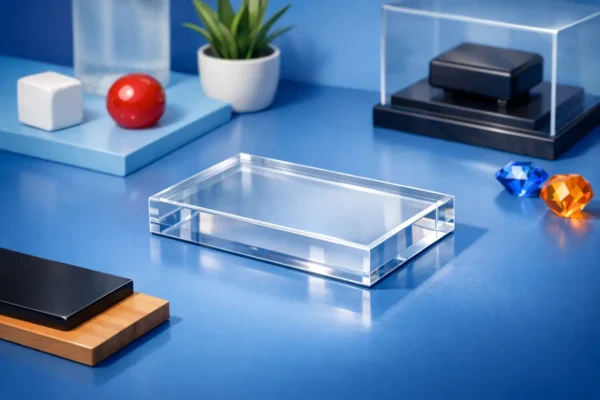
Solid acrylic has a bright, glass-like appearance without the weight and fragility of glass. Its transparency allows the displayed piece to remain the focal point, while the polished material introduces elevation and dimension. A cube can make a watch, sculpture, mineral specimen, cosmetic package, product sample, or recognition piece appear more prominent without adding visual clutter.
That visual restraint is particularly valuable in merchandising. When several items sit at the same level, customers often scan past them as a single field. Raising selected products on clear cubes creates contrast in height and directs attention to featured inventory, premium items, or new arrivals. In gallery and collector settings, elevation also separates an object from the surface beneath it, making its shape and silhouette easier to appreciate.
Acrylic is also a practical material for active display environments. Precision-fabricated solid acrylic offers durability, stable edges, and a professional finish appropriate for retail counters, showcases, trade show tables, museum-style displays, and office interiors. Unlike temporary display materials, it is designed for repeated use and can continue to look appropriate as collections, product assortments, or seasonal displays change.
Choosing the Right Acrylic Display Cube Size
The most effective cube size is determined by the displayed item, not by the available shelf space alone. A cube should frame the object comfortably while keeping the object visually dominant. If the base is too narrow, the display can feel unstable or cramped. If the cube is too large, the item may appear undersized and lose its presence.
Start with the footprint of the object. The top surface should provide enough support for the item to sit securely, with a measured margin around it. For a compact collectible or product package, a modest margin can create a tailored presentation. For sculpture, art glass, or an irregularly shaped object, allow more surface area to account for the visual spread of the piece and its center of gravity.
Height deserves equal attention. Low cubes provide subtle separation and work well when the goal is to organize a group of products without interrupting sightlines. Mid-height cubes are useful for counter displays and product tables where one or two items need emphasis. Taller cubes create a more dramatic focal point, but they should be used selectively. Too many tall forms can make a display feel fragmented and can block views across a case or sales floor.
Build a deliberate height pattern
A coordinated group of cubes in two or three heights often produces a stronger result than identical forms throughout a display. The variation gives the eye a path to follow and makes it easier to establish a clear featured item. This approach works especially well for retail merchandising, jewelry presentations, cosmetic launches, and event product displays.
The trade-off is simplicity. A single uniform cube size can be the better choice for a collection display, a formal awards presentation, or a retail program that needs repeatable consistency across multiple locations. Use height variation when visual hierarchy is the goal. Use matching dimensions when order and standardization matter more.
Consider Thickness, Weight, and Load Requirements
Not every acrylic display application places the same demands on the material. A lightweight product sample and a substantial sculpture should not be specified in the same way. The dimensions of the cube, the weight of the object, and whether the display will be handled frequently all affect the appropriate construction.
Solid acrylic is valued for its substantial feel and optical clarity. Larger display forms and heavier objects may require more material thickness or a broader footprint to maintain a stable, proportionate appearance. A wide, low base can often support a heavier item more naturally than a narrow, tall cube, even when both provide sufficient surface area.
Consider where the cube will be used as well. A protected display case has different requirements than a busy retail counter, trade show booth, or event table. In high-traffic environments, buyers should plan for frequent cleaning, handling, and possible repositioning. A precisely fabricated acrylic cube gives the display a durable foundation, but the object placed on top must still be properly balanced and appropriate for the chosen size.
Clear Acrylic Works With Nearly Any Display Style
Clear acrylic is a natural fit for product presentations because it complements rather than competes with the displayed item. It can work against white, black, wood, metal, fabric, or printed surfaces, making it useful across changing campaigns and interiors. It is equally appropriate for a minimalist retail fixture, a polished corporate event, or a collector’s home display.
The surrounding lighting will influence the final effect. Focused lighting can highlight the cube’s polished edges and give the display a crisp, dimensional appearance. Diffuse lighting reduces reflections and may be preferable for highly reflective objects such as glass, polished metal, or glossy packaging. Before committing to a display plan, consider the sightlines customers or guests will have from standing, seated, and close viewing positions.
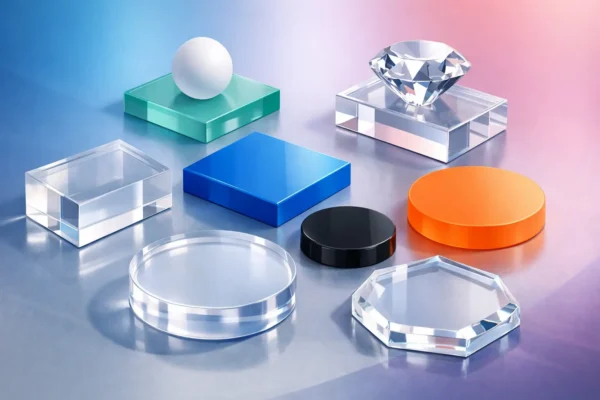
A clear cube is not always the only answer. In some presentations, a colored, frosted, printed, or engraved acrylic form may better support the brand or theme. A logo, product name, event date, or award message can turn a functional riser into a presentation component. The most successful customization is purposeful: it should reinforce the object and the setting rather than pull attention away from both.
Common Uses for Acrylic Display Cubes
The flexibility of the cube format makes it suitable for a broad range of professional and personal applications. In retail, cubes elevate featured merchandise, organize product stories, and create visual pacing on tables and shelves. In galleries and studios, they give sculpture, small art objects, and design samples a clean foundation that does not distract from the work.
Collectors often use clear acrylic cubes to display sports memorabilia, model pieces, art glass, minerals, designer toys, and other objects that benefit from elevation. For corporate recognition, a cube can serve as a presentation base for an award, commemorative object, or branded keepsake. Event professionals use them to add height to product launches, dessert displays, floral details, and tabletop signage without relying on bulky fixtures.
For these applications, consistency matters. Matching cube dimensions, polished edges, and high-clarity material help a multi-piece presentation look coordinated. When a display includes several different objects, repeated acrylic elements can create a visual system that ties the arrangement together.
Care That Preserves a Crystal-Clear Finish
Acrylic should be cleaned with care to maintain its clarity. Use a soft microfiber cloth and a cleaner made for acrylic or plastics. Avoid abrasive pads, rough paper towels, and harsh chemical cleaners, which can create fine scratches or cause surface damage over time.
When moving a cube, lift it rather than sliding it across a countertop or shelf. This protects both the acrylic and the display surface beneath it. Store unused pieces separately or with protective material between them so polished surfaces do not rub together.
When Standard Cubes Are Not Enough
Standard dimensions are efficient for many displays, especially when buyers need a dependable, repeatable format. Custom fabrication becomes worthwhile when the object has an unusual footprint, a specific height requirement, or a branded presentation need. Custom printing and engraving can be particularly effective for awards, retail displays, exhibitions, product photography, and corporate gifting.
Acrylic Bases and Blocks manufactures premium solid acrylic display products in the USA for buyers who need precision-made forms and presentation-ready clarity. Whether the requirement is a single collector display or a coordinated fixture program, the best result starts with defining the object, its intended setting, and the visual role the cube needs to play.
A display cube should make the item above it look considered, stable, and worth a closer look. Select dimensions with purpose, keep the material finish clean, and let the elevation do the work.