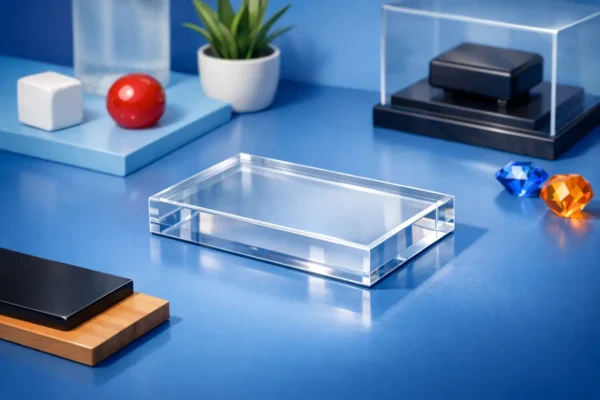
Solid Acrylic Display Blocks Guide for Buyers

A display block can either disappear behind the object or make the entire presentation look more intentional. That difference comes down to proportion, clarity, edge finishing, and the way the block supports its subject. This solid acrylic display blocks guide is designed to help retail buyers, collectors, artists, and event professionals select a format that adds visible value without distracting from what is on display.
Solid acrylic has a clean, substantial appearance that works across product merchandising, gallery displays, awards, collectibles, and branded presentations. Unlike thin sheet material or temporary fixtures, a precision-fabricated acrylic block creates elevation, separation, and a polished visual foundation. The right choice depends on the object’s size, weight, viewing angle, and the setting where it will be used.
Why Solid Acrylic Blocks Improve Presentation
Clear acrylic offers visual support while preserving sightlines. A block raises a watch, sculpture, product sample, framed piece, or award above the surrounding surface without introducing a competing color or heavy fixture. Its transparency allows the displayed item to remain the focus, while its solid construction gives the presentation a more permanent, professional feel.
Thickness is a major part of that effect. A thin riser can provide modest elevation for lightweight merchandise, but a thicker solid block has greater visual presence and a stronger foundation for heavier or more valuable pieces. The material catches light along polished edges, helping define the display footprint without creating visual clutter.
For retail environments, this elevation can establish hierarchy across a table, shelf, or showcase. In galleries and collector displays, it can create needed spacing between objects and make a single piece easier to view from multiple angles. For awards and corporate gifts, clear acrylic becomes both a display base and a presentation surface for engraving or printing.
Start With the Object, Not the Block
The most reliable way to select a display block is to evaluate the item it will hold first. Measure the object’s footprint at its widest stable point, then consider how much clear border you want around it. A small collectible placed on an oversized block may look isolated. A large item on a block that is too narrow can feel crowded or unstable.
As a practical starting point, allow enough surface area for the item to sit fully supported, with a visible margin that frames rather than overwhelms it. The appropriate margin depends on the intended look. Minimal margins suit compact retail shelving and dense product displays. Wider margins create a more gallery-like presentation and give the acrylic itself a greater role in the composition.
Weight matters just as much as width and length. A block should provide a stable contact area beneath the object, especially if the item has an uneven base, a high center of gravity, or will be handled frequently. For heavy art objects, large awards, or commercial fixtures, choose a thicker format with a footprint sized for secure support. If the item is delicate or has a finished surface that could scratch, consider whether protective pads or a custom-designed support detail are needed.
Choosing Thickness and Height
Block thickness determines both elevation and visual weight. Lower-profile blocks are useful when the goal is simply to lift an object slightly off a counter or shelf. They work well for jewelry trays, packaged merchandise, small collectibles, and layered product arrangements where several levels are needed in limited space.
Thicker acrylic blocks are more architectural. They are often selected for sculpture, premium retail features, awards, museum-style displays, and photography styling where the acrylic base is meant to be seen. A tall block can make a small item more noticeable, but the display must remain proportionate. Excessive height can separate an object from the rest of the presentation or make it less convenient for customers to inspect.
Consider the viewing angle before choosing height. Countertop merchandise is usually viewed from above and at close range, so modest elevation often delivers the best result. Window displays, exhibit cases, and event tables may benefit from taller blocks that bring products into a clearer line of sight. A stepped arrangement using several heights can create depth, but keep the assortment controlled so the display remains orderly.
When a Cube Is the Right Format
Acrylic cubes provide equal dimensions on all sides and a strong, balanced profile. They are especially effective for small sculptures, product samples, decorative objects, and standalone retail features. Because a cube has substantial visual mass, it works best when the displayed item is centered and given enough open space around it.
Cubes are also useful when a display must look finished from multiple directions. Their uniform form creates consistency on open tables, gallery pedestals, and event installations where viewers may approach from any side.
When Rectangular Blocks Work Better
Rectangular acrylic blocks are often the more flexible choice because they can match the natural proportions of the displayed item. A long, narrow base can support a line of products, a horizontal art piece, or a trophy plate. A deep rectangular block can accommodate an object that needs more front-to-back stability.
This format is particularly useful in merchandising because it can establish clean rows and levels without wasting display surface. It also provides generous areas for printed branding, product information, or engraved recognition copy when personalization is part of the project.
Edge Quality and Clarity Matter
Not all acrylic display materials create the same result. For premium applications, clarity and edge finishing are central to the final appearance. Precision-cut, polished edges help the block look intentional under retail lighting, in photography, and at close viewing distances. Cloudy edges, rough machining marks, or inconsistent dimensions can diminish the perceived quality of the item being displayed.
Solid acrylic also offers durability for repeated use. It is well suited to environments where displays are reset regularly, transported for events, or handled during merchandising changes. Acrylic is not indestructible, however. It can scratch if stored loosely with abrasive materials or cleaned with unsuitable products. A soft microfiber cloth and an acrylic-safe cleaner help preserve the clear finish. Avoid paper towels, household glass cleaners containing ammonia, and dry wiping dusty surfaces.
For buyers ordering multiple pieces, dimensional consistency is equally important. A coordinated display looks more professional when blocks align cleanly across shelves, product tables, or exhibit layouts. Domestic fabrication can be an advantage when reliable sizing, specialized formats, and project-specific communication are priorities.
Add Branding Without Losing the Clean Look
A clear block does not need to remain completely unbranded. Printing and engraving can turn a display component into a branded presentation piece while retaining its refined appearance. The best method depends on the design, the intended viewing distance, and whether the piece will be used for retail, recognition, or an event.
Engraving is well suited to names, dates, logos, award titles, and permanent identification. It creates a precise, integrated mark that is especially appropriate for commemorative pieces and premium recognition programs. Printed graphics can introduce color, product messaging, directional information, or a more prominent logo treatment. On retail displays, a small printed identifier can help connect the elevated product to a collection or campaign without adding a separate sign holder.
The trade-off is visibility. Large graphics may compete with the item placed on the block, particularly when the object is small. Keep branding scaled to the available clear area and position it where it will not be obscured. For a block viewed primarily from the front, a front-facing or underside treatment may be effective. For a freestanding gallery display, a more discreet engraved mark may better preserve the presentation.
Plan for the Display Environment
The same block can perform differently under a boutique’s warm lighting, a trade show’s overhead fixtures, or a collector’s home display cabinet. Bright point-source lighting can emphasize polished edges and give acrylic a crisp, luminous look. It can also reveal dust, fingerprints, and scratches more easily. Displays that receive frequent customer interaction need a maintenance plan and a format that remains stable when products are picked up and returned.
Color is another consideration. Clear acrylic works with nearly every palette, but it can reflect nearby colors, graphics, or fixtures. Place test pieces near the intended backdrop when possible. A dark surface can make clear blocks appear more defined, while a white surface creates a light, minimal effect. Neither is automatically better. The choice should support the item and the desired level of contrast.
For high-volume retail or event projects, standardizing a small selection of sizes usually produces a stronger visual system than using many unrelated shapes. A coordinated set of low, medium, and tall blocks can handle a wide variety of products while keeping the display organized. When a standard size cannot support the item correctly, custom fabrication is often the better choice than forcing an unsuitable format into the design.
Make the Block Part of the Presentation
A solid acrylic display block is a functional support, but it is also part of the visual message. Select it with the same care given to lighting, signage, packaging, and product placement. When the proportions are right and the finish is crystal-clear, the block does not merely hold an object up. It gives that object a more deliberate place to be seen.