Choosing Round Acrylic Display Bases

A small change at the base of a display can completely alter how the piece is perceived. Round acrylic display bases do that especially well because they elevate an object without adding visual noise, giving merchandise, collectibles, awards, and art a cleaner, more finished presentation.
That shape matters more than many buyers expect. A round base softens the footprint of a display, keeps sightlines open, and draws attention inward toward the item being presented. In retail, gallery, and event settings, that can make the difference between a display that looks improvised and one that looks professionally specified.
Why round acrylic display bases work so well
The visual advantage starts with geometry. Square and rectangular platforms have their place, particularly when the object itself has straight edges or requires maximum corner support. But round acrylic display bases create a more neutral perimeter. They frame the object without competing with it.
This is especially useful for sculptures, crystal pieces, trophies, decorative objects, product hero displays, and collectibles that benefit from a centered presentation. The circular shape encourages the eye to move around the object naturally. It also tends to look more refined in cases where a hard-edged platform would feel too mechanical or bulky.
Material quality is just as important as shape. Solid acrylic offers excellent clarity, dependable durability, and a polished appearance that supports premium presentation. When fabricated well, it provides the visual lift of glass with better impact resistance and more practical handling for commercial use.
Where round acrylic display bases make the biggest impact
In retail merchandising, a round base is often the right choice when the goal is to feature a single item rather than build a linear product story. Cosmetics, fragrance, jewelry, decorative accessories, and limited-edition goods all benefit from centered elevation. The base helps isolate the product from surrounding fixtures and gives it a more deliberate presence.
For collectors, the benefit is similar but often more personal. A round base can make a figure, sports collectible, mineral specimen, or signed item feel more curated without overwhelming the object itself. Clear acrylic is particularly effective because it adds structure while remaining visually unobtrusive.
Awards and recognition displays are another strong fit. Circular forms pair well with medallions, commemorative pieces, and freestanding awards that need a stable, polished platform. In corporate settings, that cleaner profile helps the presentation feel intentional and high-value.
Art display is often where nuance matters most. A base should support the work physically and visually, but it should not introduce distraction. Round acrylic display bases are useful here because they can complement organic forms, ceramics, glass art, and mixed-media objects in a way that feels balanced rather than overly engineered.
Choosing the right size and thickness
The most common mistake is choosing a base that looks acceptable in isolation but is undersized once the object is placed on it. Diameter should be considered in relation to both the footprint and the visual mass of the item. If the object overhangs too aggressively, the display can feel unstable even if it technically stands.
A good base should provide enough surface area to support the item comfortably while preserving clean proportions. For lighter decorative pieces, a tighter diameter may be appropriate if the goal is minimal visual interruption. For heavier objects, taller pieces, or anything displayed in public-facing environments, more diameter usually creates a better sense of security.
Thickness also affects both appearance and performance. A thinner base can look understated and modern, which works well for small collectibles or lightweight merchandise. A thicker solid acrylic base communicates more substance. It tends to feel more premium and is often the better choice when the item being displayed has real weight or when the display needs stronger visual authority.
It depends on the application. If the goal is quiet support, thinner can be the better answer. If the goal is a display platform that contributes to the perceived value of the piece, added thickness often earns its place.
Clear acrylic versus other display materials
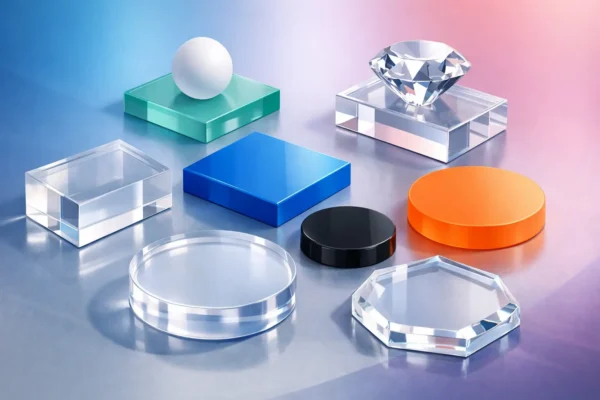
Many buyers compare acrylic with wood, metal, or glass. Each material has a valid use case, but acrylic occupies a very practical middle ground.
Wood can look warm and substantial, but it introduces color and grain that may compete with the object on display. Metal can feel architectural and strong, though it often creates a more industrial visual language than many retail or gallery environments want. Glass has excellent clarity, but it is heavier, more fragile, and less forgiving in active commercial settings.
Clear acrylic offers strong optical appeal with everyday practicality. It supports a clean, premium presentation, is easier to integrate across different environments, and works particularly well when the object itself should remain the focus. For businesses that need repeatable display standards across multiple locations or product categories, that versatility matters.
When customization adds value
Not every display need is solved by a standard base alone. In many professional settings, customization turns a simple platform into a branded presentation component.
Printed or engraved details can add logos, event names, product identifiers, or recognition copy without requiring a separate plaque or sign element. That is valuable for awards programs, corporate gifting, museum retail, trade show presentations, and branded merchandising where the display itself needs to reinforce identity.
Customization is also useful when presentation consistency matters across a series. Matching dimensions, repeatable finishes, and precise fabrication help buyers maintain a uniform display language across multiple products or locations. For retailers, event teams, and gallery operators, that consistency supports a more professional result.
Acrylic Bases and Blocks is positioned well for this kind of need because the value is not just the material itself. It is the combination of crystal-clear precision, category-specific display formats, and Made in USA fabrication that helps buyers source with more confidence.
What professional buyers should look for
The difference between a commodity base and a premium one is usually visible before anyone touches it. Edges should be clean and polished. Clarity should be high. The base should feel precise, not roughly cut or visually cloudy.
Consistency matters too. If you are sourcing multiple units for retail rollout, event staging, or a display program, dimensional accuracy is not a minor detail. Bases that vary in thickness, finish, or polish can make a carefully planned presentation look uneven.
Durability should also be considered in the context of use. A base for a home collector may only need to support static display. A base for retail, hospitality, exhibitions, or corporate environments may need to withstand frequent handling, cleaning, repositioning, and transport. That is where quality fabrication becomes more than a cosmetic feature.
Domestic manufacturing can be a practical advantage here. For many US buyers, it supports better quality control, more dependable replenishment, and clearer communication for custom work or specification questions.
Matching the base to the object
The best display bases do not call attention to themselves first. They create proportion, lift, and stability that make the object look better immediately.
For rounded or sculptural items, a round base usually feels intuitive because the shapes work together. For highly geometric objects, a circular platform can still be effective if the goal is to soften the overall presentation and create contrast. If the item has a broad rectangular footprint, however, a round base may not be the best structural or visual choice. This is one of those cases where function should lead.
Height, weight distribution, and viewing angle should all inform the decision. A low, compact object may benefit mostly from subtle elevation. A taller item may require a heavier visual base to feel grounded. Displays viewed from all sides often gain more from a round format than displays placed flat against a wall.
That is why experienced buyers usually start with the object, not the base. The base is there to improve the presentation, not force a shape that does not fit.
Round acrylic display bases are a straightforward way to improve visual clarity, add premium elevation, and give displayed objects a more intentional presence. When the size, thickness, and fabrication quality are right, the result looks clean, stable, and professionally finished – exactly what strong presentation should deliver.