Acrylic Display Blocks With Logo That Perform

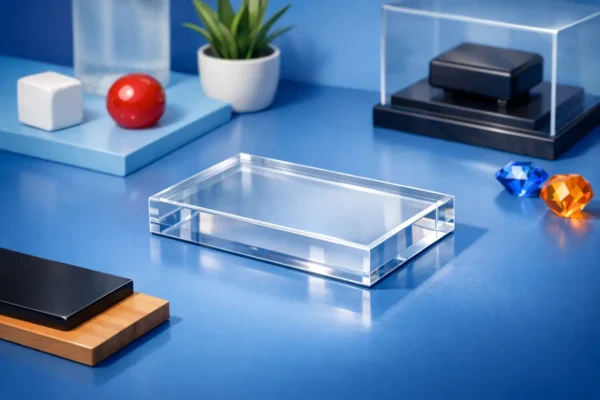
A logo placed on a premium acrylic block does more than identify a brand. It gives products, awards, collectibles, and event materials a deliberate presentation point. Acrylic display blocks with logo combine crystal-clear material with a permanent visual cue, helping the display look finished rather than improvised.
For retail buyers, gallery teams, corporate purchasers, and event professionals, the right block has to do two jobs at once. It must support the object reliably while keeping attention where it belongs: on the merchandise, artwork, recognition piece, or branded message. Solid acrylic meets that need with clean lines, substantial weight, and a polished appearance that works across commercial and personal display settings.
Why Logoed Acrylic Blocks Create Stronger Displays
A solid clear acrylic block brings elevation without visual clutter. Unlike painted wood, metal stands, or temporary paper signage, it does not compete with the colors and details of the item on display. Add a logo, and the block becomes part of a coordinated branded environment without overwhelming the presentation.
This matters particularly where customers make quick visual judgments. A jewelry display, collectible case, product launch table, or corporate award presentation gains credibility when every component appears intentional. The logo can reinforce the retailer, manufacturer, sponsor, museum, artist, or event identity while the clear acrylic preserves an open, professional look.
There is also a practical advantage. A precisely fabricated solid block offers dependable support for many display applications, from smaller objects that need modest lift to substantial pieces that require a stable base. Thickness and footprint should always be matched to the size, weight, and center of gravity of the object. A clear block may look minimal, but its dimensions determine how confidently it performs.
Choosing Acrylic Display Blocks With Logo
The most effective custom display begins with the object and the setting, not the logo alone. Start by deciding what the acrylic block must accomplish. Is it meant to raise a product above a shelf? Serve as a freestanding branded sign? Support a sculpture, model, trophy, or collectible? Or act as a presentation base for a corporate gift?
A rectangular acrylic block is often the most versatile choice for merchandise, artwork, and awards. Its broad flat surface provides a stable platform, while its straight edges align easily with shelves, pedestals, cases, and table layouts. Square blocks and cubes work well for compact objects or symmetrical presentations. Round forms can soften the arrangement and are especially effective for circular products, tabletop displays, or award components.
Height deserves as much attention as length and width. A low block creates a refined separation between the object and its surface. Taller risers make products easier to see in a crowded retail display, but they also require a proportionally appropriate footprint. For a multi-level arrangement, use coordinated heights to establish hierarchy without turning the display into a stack of unrelated pieces.
The logo location should support the viewing angle. A mark on the front face is usually best for counter displays and retail shelving. Top-surface branding may suit a piece viewed from above, such as a display base inside a case or a presentation block on a reception table. Side placement can be effective where a display is viewed from multiple directions. Before approving artwork, consider where visitors will stand and how lighting will reflect through the acrylic.
Printing or Engraving: Match the Method to the Message
Printing and engraving each create a different result. Printed logos are a strong option when artwork includes color, fine detail, gradients, or a specific brand palette. They can make the identity immediately visible from a distance, which is useful for retail promotions, sponsor recognition, and event displays.
Engraved logos create a more understated, dimensional effect. They are well suited to premium awards, executive gifts, gallery displays, and presentation pieces where the material itself should remain the focal point. Depending on the design and viewing conditions, an engraved mark may be more subtle than print. That restraint can be an advantage, but it is not the right choice when high-contrast branding is the priority.
Artwork quality affects the final presentation. Clean vector files, accurate logo proportions, and clearly defined placement instructions help produce a precise result. Fine text, intricate linework, and very small elements should be reviewed at actual display size. A logo that looks sharp on a computer screen can lose clarity when reduced too far on a small acrylic face.
Where Branded Acrylic Blocks Work Best
In retail, logoed acrylic blocks provide a consistent foundation for premium merchandise. They can elevate accessories, cosmetics, technology products, fragrance, small packaged goods, and specialty items while keeping the display clean. When used across multiple fixtures, they help create visual consistency between departments, pop-up locations, and seasonal presentations.
For collectors, the appeal is both functional and aesthetic. A clear custom block can support a signed baseball, scale model, sports collectible, art object, or limited-edition piece without distracting from the item. A discreet logo can identify the collection, commemorate an acquisition, or recognize a club, dealer, or event.
Galleries and artists can use branded blocks as part of a polished exhibition plan. Clear acrylic allows sculptural work and small objects to appear elevated while preserving the sightlines of the room. An artist mark, gallery logo, or exhibition identifier can be included with restraint, provided it does not compete with the work itself.
Awards and corporate recognition programs are another natural fit. A logoed block can become the base of an award, a support for a commemorative item, or a stand-alone desk piece. Here, material thickness, edge finishing, and branding precision matter because recipients will view the piece closely and keep it for years.
Event professionals often need display components that look polished under changing conditions. Acrylic blocks can support product samples, signage, floral accents, donor recognition pieces, auction items, and sponsor materials. For short-term events, their clean appearance and easy integration with different decor styles are major advantages. For repeated programs, standardized dimensions and brand treatment make setup more efficient from one event to the next.
Design Details That Protect the Premium Look
Clear acrylic is presentation-forward, which means surface care matters. Fingerprints, dust, and scratches are more visible on a pristine material than on heavily textured alternatives. Handle blocks with clean hands, use a soft non-abrasive cloth for routine cleaning, and avoid harsh cleaners that may affect the finish. Keep protective covering in place as long as possible during fabrication, shipping, and installation.
Lighting should be tested with the finished layout. Acrylic can catch edge light beautifully, but strong direct light may create glare on printed areas or obscure a subtle engraving. This does not mean clear blocks are difficult to use. It simply means the display should be evaluated in the same environment where customers, guests, or judges will see it.
Consistency is another detail that separates a professional display from a collection of individual parts. Specify the same acrylic thickness, edge style, logo scale, and print or engraving placement across related pieces whenever possible. A retail program may use several sizes, for example, but shared proportions and placement rules keep the system cohesive.
At Acrylic Bases and Blocks, solid acrylic display products are made in the USA with the precision required for presentation-driven applications. Standard forms provide an efficient path for many projects, while custom printing and engraving help turn a clear display component into a branded asset.
Plan the Order Around Real-World Use
Before selecting a size, measure the object at its widest point and account for any uneven base, protruding elements, or off-center weight. The display block should provide enough contact area to look balanced and remain stable. For valuable or fragile objects, test the setup before committing to a full rollout.
Think through quantity and replacement needs as well. Retail environments, traveling exhibits, and recurring events often benefit from ordering coordinated extras. Keeping identical replacement blocks available prevents an otherwise consistent display from being disrupted by a mismatched substitute later.
Acrylic display blocks with a logo are most successful when branding, proportion, and support are treated as one decision. Choose a format that gives the item proper presence, then apply the logo with the same level of care. The result is a clear, durable display component that supports the object and strengthens the identity behind it.