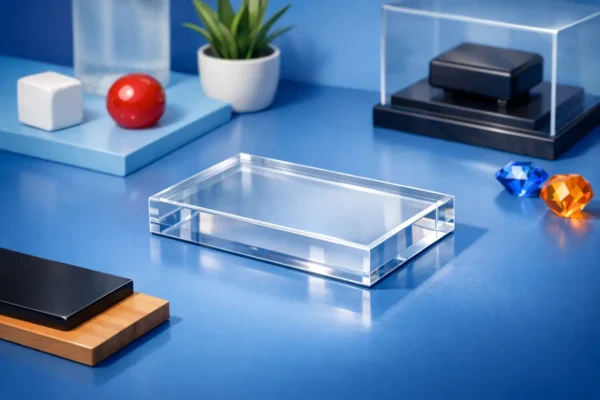
How to Display Collectibles With Acrylic Blocks

A signed baseball can disappear on a crowded shelf. A scale model can look smaller than it is when it sits flat on a dark surface. A rare mineral, vintage toy, art object, or commemorative piece deserves a display that separates it from the background without competing for attention. Learning how to display collectibles with acrylic blocks gives each item the elevation, spacing, and clean visual structure that helps its details register immediately.
Solid acrylic is especially effective because it creates presence without visual weight. Its crystal-clear appearance keeps the focus on the collectible, while its polished edges and substantial construction provide a more finished presentation than improvised stands or stacked household objects. The right block also helps organize a collection into a display that feels intentional rather than simply stored.
Start With the Collectible, Not the Block
The best acrylic display format depends on the object’s dimensions, weight, viewing angle, and visual center. Before choosing a block, measure the footprint of the collectible, then consider where the eye should land. A small object may need significant elevation to be noticed, while a larger piece may only need a low base to establish separation from the display surface.
For a stable presentation, the collectible should sit fully within the supporting area of the acrylic block. A slight margin around the base generally looks more deliberate than a block that is exactly the same size as the item. At the same time, an oversized base can make a small collectible appear lost. The goal is proportion: enough acrylic to create a premium foundation, but not so much that the display component becomes the main subject.
Weight matters as much as footprint. Solid acrylic blocks are durable and substantial, but heavier collectibles need a support surface sized for secure contact. If an object has an uneven underside, a narrow point of contact, or a tendency to shift, a wider rectangular base may be a better choice than a tall, narrow cube. For valuable pieces, avoid displays that rely on balance alone.
Choose the Right Acrylic Block Shape
Acrylic blocks, bases, cubes, and risers serve different display purposes. Selecting the proper format makes a noticeable difference in both visual impact and usability.
A square or rectangular acrylic block provides a clean platform for items with flat bases, including figurines, product replicas, awards, sports memorabilia, sculpture, and retail merchandise. Rectangular forms work particularly well when the collectible has a directional shape, such as a vehicle model, framed artifact, or elongated art piece.
Acrylic cubes create a more compact, architectural look. They are useful for smaller collectibles that need height, such as coins in holders, miniatures, decorative objects, jewelry displays, or small retail products. A cube can create a strong focal point, but it should not raise the object so high that viewers can no longer comfortably see its top or front details.
Round acrylic bases soften the presentation of circular objects and organic forms. They pair naturally with medals, spheres, small sculptures, crystal pieces, and objects intended to be viewed from multiple sides. The circular edge keeps the display from feeling rigid while still providing a precise, polished foundation.
Low acrylic risers are often the strongest option for shelves, cases, and retail displays with multiple pieces. Instead of putting every collectible at the same level, use risers to create a controlled height progression. This prevents objects in the back row from being hidden and gives the overall arrangement more depth.
Build Height Variation Without Creating Clutter
A collection displayed at one height often reads as a single visual plane. That can work for uniform items, but it makes mixed collections harder to scan. Acrylic blocks solve this problem by creating tiers that direct attention from one piece to the next.
Use the tallest blocks toward the rear of a shelf or inside the back portion of a display case. Place medium-height blocks in the middle and low bases at the front. This approach keeps smaller collectibles visible while protecting sightlines to larger items. If viewers will walk around the display, vary the arrangement from multiple directions rather than designing only for a front-facing view.
Restraint is essential. Too many different heights can make a collection look fragmented, especially in a small cabinet or retail fixture. Select two or three height ranges and repeat them across the display. Consistent acrylic thickness, edge finishing, and shape language create order even when the collectibles themselves vary in color, age, or category.
For a single prized item, a taller block can provide a gallery-style presentation. For a broad collection, lower risers often produce a better result because they improve visibility without overpowering the display area.
Plan Spacing and Negative Space
Collectibles gain perceived value when they have room around them. Acrylic blocks are useful not only because they raise objects, but because they establish clear boundaries between one item and another. A properly spaced display allows the eye to recognize the silhouette, material, and distinctive features of each piece.
Avoid placing blocks edge to edge unless the collection is intended to look densely merchandised. Leave a consistent gap between items and align the front edges where possible. This is especially effective for retail counters, gallery displays, and corporate showcases, where visual order supports a more professional impression.
Negative space becomes even more important with high-detail collectibles. A signed helmet, intricate model, or one-of-a-kind art object needs a clean perimeter so that the viewer does not have to sort through competing shapes. Clear acrylic helps preserve that breathing room because it adds height without adding a distracting color field.
Use Lighting That Supports Clear Acrylic
Acrylic performs best under deliberate, even lighting. Direct glare can create bright reflections that distract from the collectible, while dim lighting can make even a well-planned display feel flat. Position lighting so it reveals texture and form without shining straight into the viewer’s line of sight.
For most shelf and case displays, angled overhead lighting or soft front lighting works well. This creates gentle highlights on polished acrylic edges while keeping the item itself visible. If the collectible has a glossy finish, test the lighting at several angles before finalizing the arrangement. A small adjustment can eliminate a reflection that obscures a signature, label, or important surface detail.
Keep colored lighting selective. It can be effective for themed retail displays, sports collections, or event presentations, but neutral white light usually provides the most accurate view of the collectible. The clarity of the acrylic should reinforce the object’s true color rather than alter it.
Protect the Surface and the Collectible
A premium display should look clean from every angle. Before placing a collectible on an acrylic block, wipe the acrylic with a clean microfiber cloth and an acrylic-safe cleaner. Avoid abrasive paper towels, ammonia-based cleaners, and rough materials that can leave fine scratches or haze on polished surfaces.
Consider the contact point between the collectible and the block. Many items can sit directly on acrylic, particularly when they have smooth, stable bases. Delicate finishes, painted surfaces, or metal objects that may scratch should be assessed individually. A discreet protective material may be appropriate when it does not compromise the presentation or stability of the piece.
For long-term displays, inspect blocks periodically for dust, fingerprints, and shifting. This is particularly relevant in retail environments and public displays, where frequent handling can affect alignment. Regular maintenance preserves the sharp, high-clarity appearance that makes acrylic a premium display material.
Add Custom Details When the Display Needs Context
Some collectibles need more than elevation. They need identification, branding, or a reason for viewers to pause. Printed or engraved acrylic can turn a simple base into a presentation component for a corporate collection, exhibit, awards program, museum-style installation, or retail product launch.
A name, edition number, event date, company mark, or concise description can be incorporated without crowding the collectible. Keep the information secondary to the object itself. The most effective custom display elements are readable at normal viewing distance and designed to match the scale of the block.
For businesses and professional buyers, using consistent base dimensions and branded details across a collection helps create a unified display standard. Acrylic Bases and Blocks manufactures solid acrylic display components in the USA for applications that require precision sizing, clean finishing, and a presentation-ready result.
Make the Display Feel Intentional
The final arrangement should answer a simple question: what should a viewer notice first? Use the highest block, strongest lighting position, or most open surrounding space for the lead collectible. Then let the supporting pieces create a visual sequence around it.
Acrylic blocks are most effective when they are almost unnoticed at first glance. Their job is to provide elevation, stability, and a refined structure that allows the collectible to look more significant on its own. When the proportions are right and the surfaces are kept clean, even a modest display shelf can present a collection with the clarity and professionalism of a dedicated showcase.